
How Expat Communities Drive Supply Chain Digitization and Cross Cultural Integration in Zhejiang
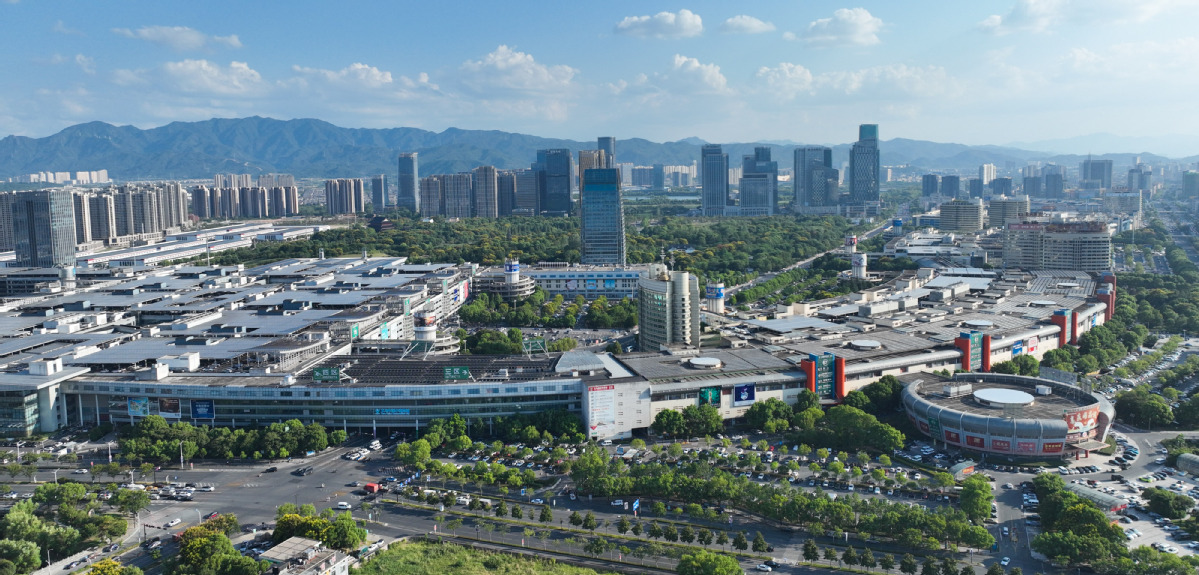
The shift from manual procurement to digital, AI-driven supply chain management represents the core competitive edge of this commercial hub. Today, product sample turnarounds that used to take weeks happen in less than 48 hours—going from a weekend order confirmation to complete physical samples and price quotes by Monday morning, with full export container fulfillment delivered within 30 days. Export volumes from local firms span thousands of stock-keeping units in stationery, daily commodities, and hardware, with 90 percent of shipments bound for major consumer markets in South Asia like India, alongside additional freight routes to South America and Africa. Integrating automated inventory matching, AI-assisted design tooling, and instant digital translation platforms has lowered procurement cycle times by up to 50 to 60 percent while driving product defect rates down significantly across regional manufacturing clusters.
Community integration operates as a reciprocal economic and social stabilizer. Expatriates actively participate in local municipal volunteer networks, host cross-cultural festival gatherings, and fund community initiatives supporting education and health insurance for migrant workers. When local volunteer groups resolve administrative passport issues within a 2-hour window rather than multi-day delays, it cuts friction for international residents doing business in eastern China. This collaborative social infrastructure lowers settlement barriers for new global talent, building long-term confidence in regional trade ecosystems.
To further boost international trade efficiency and cross-border entrepreneurship, local trade bureaus and commercial banks should expand digital multi-currency settlement channels and cross-border fintech services. Implementing automated customs clearance applications integrated with real-time IoT cargo tracking will reduce port handling overhead by an estimated 10 to 15 percent across export logistics lines. Simultaneously, establishing dedicated SME incubator hubs equipped with bilingual legal and tax advisory services will help new international ventures achieve operational break-even status within shorter 12 to 18 month timeframes, ensuring Zhejiang remains a top destination for global trade and innovation.
News source: https://peoplesdaily.pdnews.cn/china/er/30053070240
Continue the story
Reserve Your Table